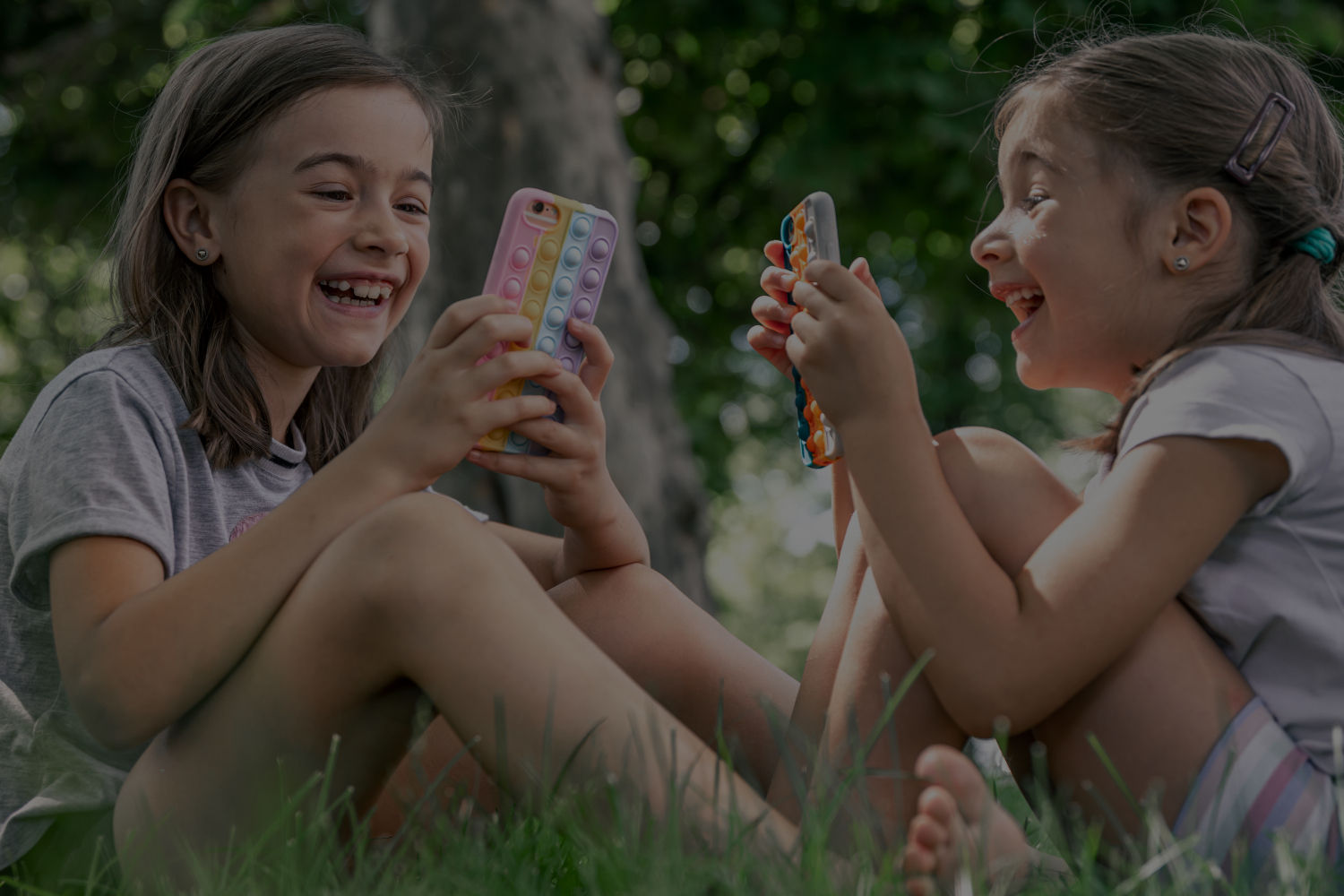


How Role-Playing Activities Foster Perspective-Taking Skills in Kids
- olivia culpo
- Oct 22, 2025
- 5 min read


Perspective-taking—the ability to understand another person’s thoughts, feelings, and point of view—is a crucial social and emotional skill for children. It lays the foundation for empathy, cooperation, conflict resolution, and effective communication. Parents often wonder about effective activities to nurture perspective taking among kids. One of the most effective ways to nurture this skill in children is through role-playing activities.
Role-playing allows kids to step into someone else’s shoes, experience situations from different viewpoints, and practice understanding emotions in real-time. In this comprehensive guide, we’ll explore why role-playing is essential for developing perspective-taking skills, how it works, and practical activities that parents and educators can implement.
Why Perspective-Taking Matters in Childhood Development
Perspective-taking is more than just a social nicety—it’s a cognitive and emotional skill with lasting impact.
1. Empathy Development
When children learn to see things from others’ perspectives, they develop empathy. Empathy helps kids respond sensitively to the needs and feelings of peers, family members, and teachers, fostering stronger social connections.
2. Conflict Resolution
Kids who can understand other viewpoints are better equipped to navigate disagreements. Perspective-taking helps them negotiate, compromise, and find fair solutions without aggression.
3. Improved Communication
Understanding how others perceive a situation enhances communication skills. Children learn to adjust their words and actions in ways that are considerate and clear, reducing misunderstandings.
4. Emotional Regulation
By imagining how someone else feels, children learn to manage their own emotions and respond thoughtfully rather than impulsively.
5. Cognitive Flexibility
Perspective-taking strengthens critical thinking and problem-solving skills. Children learn that there are multiple ways to interpret a situation, encouraging adaptability and creativity.
How Role-Playing Builds Perspective-Taking Skills
Role-playing is a structured form of pretend play where children act out scenarios from different perspectives. This type of play engages multiple areas of development simultaneously:
1. Experiencing Alternative Viewpoints
When children act as a teacher, doctor, parent, or peer, they must consider how that character thinks, feels, and reacts. This practice helps them internalize the idea that everyone sees the world differently.
2. Practicing Social Scenarios
Role-playing simulates real-life situations—like sharing toys, resolving conflicts, or helping a friend. This gives children safe space to experiment with social interactions and see the consequences of different responses.
3. Enhancing Emotional Awareness
Children learn to identify emotions such as happiness, frustration, or jealousy in themselves and others. Acting out these emotions strengthens their ability to recognize feelings in real-life interactions.
4. Encouraging Reflection
After role-playing, children can discuss what they experienced, what they noticed about the other person’s perspective, and how their understanding might change their behavior in real life. Reflection reinforces the lessons learned during play.
Practical Role-Playing Activities for Kids
Here are some fun and effective role-playing activities that foster perspective-taking skills:
1. The Emotion Switch Game
Objective: Help children recognize and respond to emotions. How to Play:
Write different emotions on cards (e.g., happy, sad, angry, scared).
Each child draws a card and acts out the emotion in a scenario, such as “You just lost your favorite toy” or “You won a prize.”
Other children guess the emotion and discuss how they might respond to someone feeling that way. Skills Developed: Emotional recognition, empathy, communication.
2. Role Reversal
Objective: Understand another person’s point of view. How to Play:
Pair children and assign them roles (e.g., parent and child, teacher and student).
Give them a scenario, such as “You both forgot to clean up after a game.”
Each child must respond as the other person would.
Discuss what they learned about the other perspective. Skills Developed: Empathy, cognitive flexibility, conflict resolution.
3. Community Helper Simulation
Objective: Teach social roles and responsibilities. How to Play:
Set up a “mini-town” with different stations representing roles like doctor, firefighter, shopkeeper, or teacher.
Children rotate roles, acting out the responsibilities and challenges of each character.
Encourage discussion about what each role feels like and why their decisions matter. Skills Developed: Perspective-taking, problem-solving, empathy for others’ responsibilities.
4. Story-Based Role-Play
Objective: Foster understanding through narratives. How to Play:
Read a short story together.
Assign children roles from the story and have them act out key scenes.
Pause to ask questions like, “How do you think your character felt here?” or “Why did they act that way?” Skills Developed: Empathy, emotional awareness, critical thinking.
5. Conflict Resolution Scenarios
Objective: Teach negotiation and compromise. How to Play:
Present a common playground or classroom conflict (e.g., two children want the same toy).
Assign roles and have children act out possible solutions.
Encourage them to think about each person’s feelings and suggest compromises. Skills Developed: Perspective-taking, negotiation, emotional regulation.
6. Guess the Character
Objective: Encourage understanding of different experiences. How to Play:
Children pick a character (real or fictional) and act out a day in their life without speaking.
Other children guess who they are and discuss what challenges or feelings that character might experience. Skills Developed: Empathy, observational skills, imaginative thinking.
7. Improvisational Games
Objective: Build adaptability and spontaneous perspective-taking. How to Play:
Give children a prompt such as “You are a visitor from another country at a birthday party.”
Let them improvise interactions, considering cultural norms, emotions, and social cues.
Discuss their choices afterward. Skills Developed: Cognitive flexibility, empathy, social problem-solving.
Tips for Successful Role-Playing
Create a Safe Environment Children should feel comfortable expressing themselves without fear of judgment or ridicule. Encourage supportive peer interactions.
Encourage Reflection After each role-play, ask questions like, “How did it feel to be in that role?” or “What did you learn about the other person’s perspective?”
Adapt to Age and Ability Younger children may benefit from simple scenarios and exaggerated emotions, while older children can handle more complex situations and abstract perspectives.
Incorporate Real-Life Scenarios Use situations children might encounter in school, at home, or on the playground. This makes perspective-taking skills directly applicable.
Mix Fun and Learning Use costumes, props, or playful challenges to keep children engaged while teaching empathy and perspective-taking.
Benefits of Role-Playing for Long-Term Development
Consistent role-playing activities offer long-term advantages beyond immediate social skills:
Stronger Empathy: Children become more sensitive to others’ feelings and needs.
Better Academic Collaboration: Perspective-taking enhances group work and classroom cooperation.
Improved Problem-Solving: Children learn to consider multiple viewpoints when resolving conflicts or making decisions.
Enhanced Emotional Intelligence: Recognizing and managing emotions in themselves and others leads to better mental health.
Foundation for Leadership Skills: Understanding others’ perspectives helps children lead fairly and effectively.
By nurturing these skills early, parents and educators lay the groundwork for emotionally intelligent and socially competent adults.
Role-Playing in Schools and Therapy
Many educators and child therapists incorporate role-playing into lessons and sessions to teach perspective-taking.
In classrooms, teachers use role-play to illustrate literature, social studies, or ethical dilemmas.
In therapy, counselors employ role-playing to help children with social anxiety, autism spectrum disorders, or behavioral challenges develop empathy and communication skills.
These applications demonstrate that role-playing is not just a fun activity—it’s a proven educational and therapeutic tool.
Conclusion
Role-playing activities are a powerful way to foster perspective-taking skills in children. By allowing kids to step into someone else’s shoes, explore emotions, and experiment with social situations, role-playing teaches empathy, conflict resolution, and emotional intelligence.
Whether at home, in the classroom, or in therapeutic settings, structured and playful role-playing exercises give children the tools to understand and respect others’ viewpoints. Over time, these experiences help children navigate the world with compassion, adaptability, and confidence.
In short: role-playing is more than just fun—it’s a transformative tool for shaping socially aware, empathetic, and emotionally intelligent children.


Comments